
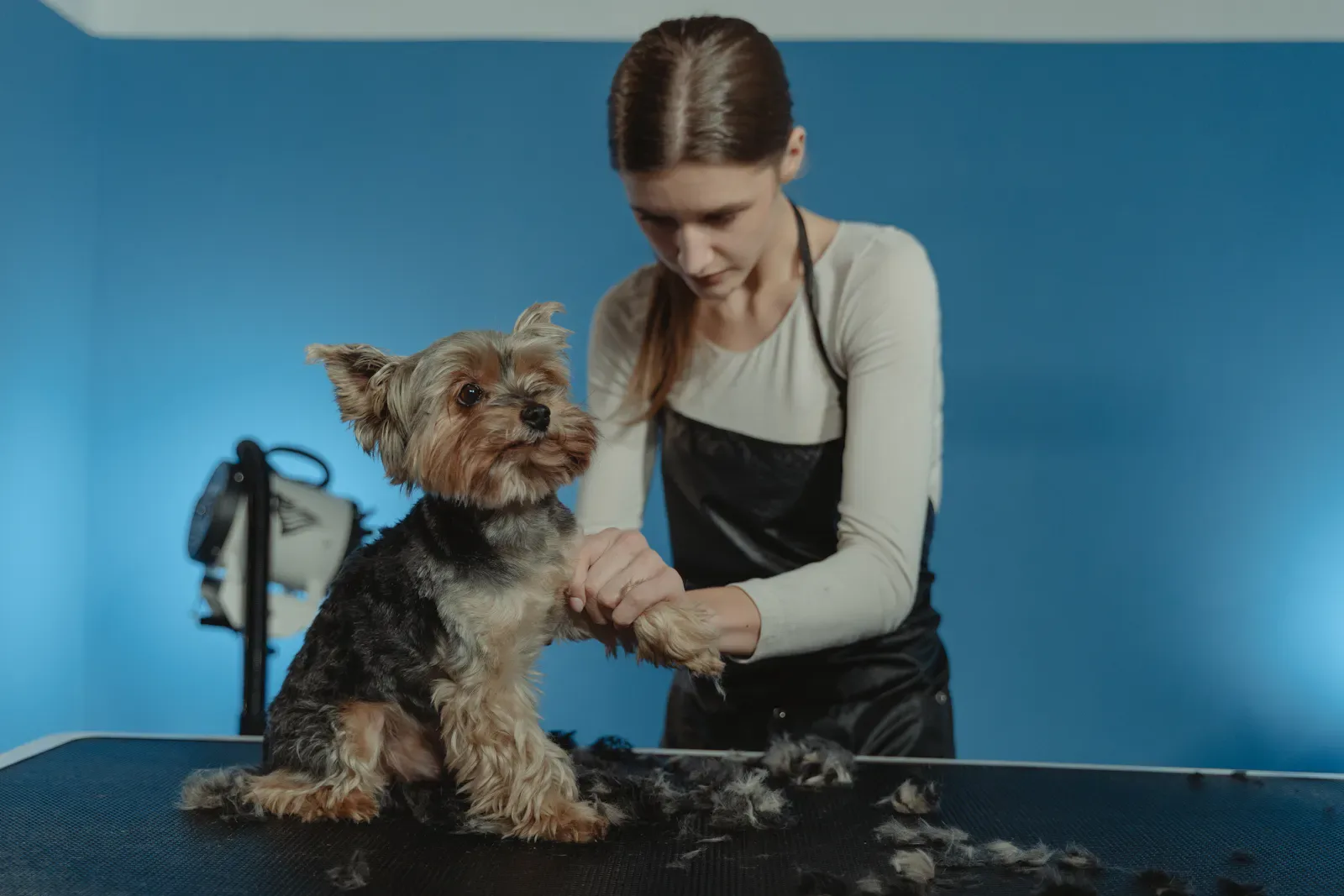
A lot of dog owners ask me this question while they're picking up their freshly groomed pup, and the honest answer is that it depends on your dog's breed, coat type, and lifestyle. There's no universal schedule that works for every dog. A Poodle with a continuously growing coat needs a very different grooming routine than a short-haired Labrador. I've seen owners go way too long between appointments and end up with matted, uncomfortable dogs. I've also seen people bring their dogs in too frequently and spend more than they need to. The key is understanding your specific dog's needs and then sticking to a routine that keeps them healthy and comfortable.
Coat Type Is Your Starting Point
The biggest factor in grooming frequency is what kind of coat your dog has. Dogs with hair that continuously grows, like Poodles, Doodles, Shih Tzus, and Malteses, need professional grooming every four to six weeks. These coats mat up quickly if you're not brushing daily at home, and matting is uncomfortable for the dog. It can trap moisture against the skin and lead to infections. When I see a dog that hasn't been groomed in three months, the matting is often so bad we have to shave them down completely, which the owner usually didn't want. Regular appointments prevent that problem.
Dogs with double coats like Golden Retrievers, German Shepherds, and Corgis shed constantly. They need grooming every eight to twelve weeks, mainly for a thorough bath and undercoat removal. Regular grooming reduces the amount of hair you'll find all over your house. A good bath and dry removes a lot of that loose undercoat before it ends up on your furniture.
Short-coated dogs like Boxers, Beagles, and Pit Bulls need the least frequent professional grooming. Many owners can get away with a professional grooming every twelve to sixteen weeks, or even less often. These dogs mainly benefit from a professional bath, nail trim, and ear cleaning. If your short-coated dog doesn't have any skin issues, you might only need us once or twice a year.
What Happens Between Appointments
How you care for your dog at home matters as much as professional grooming. If you have a long-coated dog, you need to brush them multiple times a week, ideally every other day. I tell people this upfront because if they're not willing to brush, we'll be dealing with matting problems. A slicker brush and a metal comb are your basic tools. Spend ten to fifteen minutes on the problem areas, like behind the ears, under the armpits, and around the rear end. Those spots mat first.
For double-coated dogs, a good undercoat rake during shedding season helps a lot. You don't need professional grooming as often if you're managing the coat at home. For short-coated dogs, a quick brush once or twice a week keeps the coat looking good and reduces shedding.
Nail trimming is something you can do at home or have done professionally. I recommend getting nails trimmed every three to four weeks, whether you do it yourself or bring your dog to us. Long nails are uncomfortable and can cause joint problems over time. If you're nervous about trimming them yourself, come in for a quick nail trim between full grooming appointments. It's an easy way to keep your dog comfortable without spending a lot.
Age and Health Matter Too
Puppies don't need grooming as early as adult dogs do. Their coats are still developing, and frequent baths can dry out their skin. I usually recommend waiting until a puppy is at least four to six months old before a full professional grooming. Before that, a gentle bath at home is fine.
Senior dogs sometimes need more frequent grooming because they have a harder time keeping themselves clean. Older dogs also have more sensitive skin, so I'm careful about water temperature and the products we use. If your senior dog has arthritis or mobility issues, we can work with that too. A quick bath and tidy-up might be less stressful than a full grooming session.
Dogs with skin allergies or conditions need a different approach. If your dog has yeast issues, hot spots, or sensitive skin, you might need medicated baths more often. I work with owners and their vets to figure out what schedule makes sense. Sometimes that's every two weeks. Sometimes it's every eight weeks with specific products.
Activity Level and Lifestyle
A dog that spends a lot of time outdoors, especially around water or dirt, might need grooming more often than a dog that stays mostly indoors. If your dog swims regularly, they need more frequent baths to prevent skin issues. If they're playing in the mud or rolling in stuff, they might need a quick wash between full grooming appointments.
Show dogs have totally different grooming schedules than pet dogs. If you're preparing your dog for competition, we can set up a schedule that keeps their coat in show condition.
The Simple Answer
Start by bringing your dog in for a grooming appointment and talk to me about your dog's specific coat and lifestyle. I'll give you a realistic schedule. Then stick to it. Consistency is better than occasional deep cleaning. Your dog will be more comfortable, you'll spend less money in the long run, and grooming appointments will be less stressful for everyone.
Call Zoomin Groomin to book your dog's next appointment and we can talk through what schedule makes sense for your pup.