
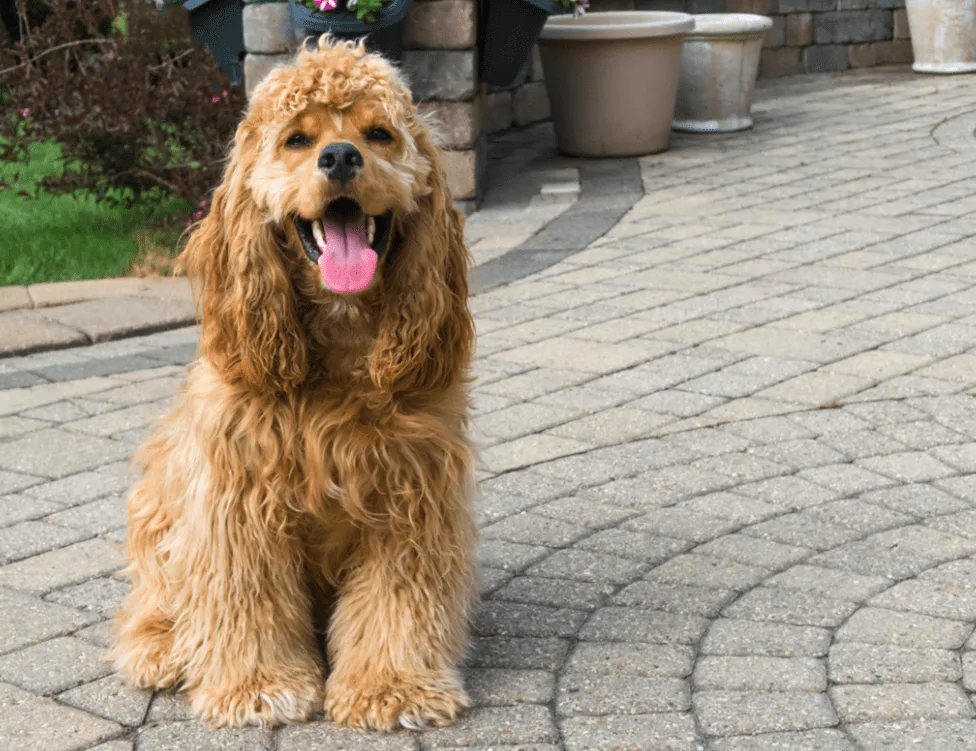
A lot of dog owners call us in spring and fall asking about de-shedding treatments because they're tired of finding hair on the couch, the car, and basically everywhere else. What most people don't realize is that de-shedding isn't a single magic service. It's a combination of techniques we use to remove the undercoat before your dog sheds it all over your house. Some dogs absolutely benefit from this. Others don't need it at all. Knowing the difference saves you money and keeps your dog more comfortable.
What De-Shedding Actually Means
De-shedding is the process of removing loose hair from your dog's undercoat before it falls out naturally. Dogs with double coats, like Golden Retrievers, German Shepherds, Huskies, and Corgis, grow a thick undercoat underneath their outer guard hairs. When the seasons change, that undercoat wants to come out all at once. A de-shedding treatment uses special tools and sometimes conditioning treatments to pull out that loose hair while your dog is in the tub or on the grooming table. We're not cutting the coat. We're removing hair that's already dead and ready to shed. The result is a dog that sheds less at home for the next few weeks and a coat that looks fuller and healthier.
Which Breeds Actually Need This
Double-coated breeds are your main candidates. If you have a Labrador, German Shepherd, Australian Shepherd, Corgi, Golden Retriever, Husky, or Malamute, de-shedding treatments make real sense, especially during shedding season. These breeds shed heavily twice a year, and a good de-shedding treatment can cut down the hair you find around your house by 50 to 70 percent for several weeks after. Single-coated breeds like Poodles, Doodles, Shih Tzus, and Yorkies don't have that dense undercoat, so de-shedding won't help much. A regular bath and brush will handle their coat just fine. If you're not sure whether your dog has a double coat, ask your vet or call us. We can tell you in about thirty seconds.
Timing Matters
Spring and fall are when de-shedding treatments work best. That's when your dog's body is naturally preparing to shed. If you bring your dog in during those seasons, you'll see the biggest payoff. Doing it in the middle of summer or winter is less effective because your dog isn't actively shedding yet. We usually recommend de-shedding treatments two or three times a year for heavy shedders. Some owners do it quarterly just to stay ahead of the hair. If you wait until your dog is already leaving giant clumps on the floor, you've waited too long. The best approach is to call us in early spring and again in early fall to get ahead of it.
What the Process Looks Like
Here's what happens when you bring your dog in for a de-shedding treatment. We start with a thorough bath using warm water and a conditioning shampoo that helps loosen the undercoat. Then we dry the coat completely. This is important. Drying opens up the coat and makes the undercoat easier to remove. Once the dog is dry, we use a high-velocity dryer and special de-shedding tools like undercoat rakes and slicker brushes to work through the coat section by section. A lot of hair comes out. Seriously, a lot. We finish with a final pass to make sure we've gotten everything loose. The whole process takes about an hour to an hour and a half, depending on your dog's size and how much undercoat they're carrying. Your dog goes home cleaner, drier, and with way less loose hair ready to shed.
Cost and How Often You Need It
De-shedding treatments at Zoomin Groomin run between $75 and $125, depending on your dog's size and coat density. A standard bath and brush is cheaper, but if you have a heavy shedder, the de-shedding treatment pays for itself in convenience and cleanliness at home. We recommend doing it during peak shedding seasons, so two to three times a year for most double-coated breeds. Some owners book it every time they come in for a regular grooming during spring and fall. Others do it once a season and call it good. It really depends on how much shedding bothers you and how much your dog sheds.
When De-Shedding Isn't the Right Call
Not every dog needs this. If your dog has mats or tangles, we have to brush those out before we can de-shed, and that adds time and cost. If your dog has skin issues or is already itchy, the extra work on the coat might irritate things further. We always check for skin problems before we start. If your dog is a single-coated breed or doesn't shed much, you're throwing money away. And if you're not willing to brush your dog at home between grooming appointments, de-shedding won't help as much as it could. The treatment removes loose hair, but consistent brushing at home keeps the shedding under control longer.
If you've got a Golden Retriever, Husky, or any other double-coated dog and you're tired of cleaning up hair, call Zoomin Groomin and ask about de-shedding treatments. We'll let you know if your dog is a good candidate and when the best time to book would be.