
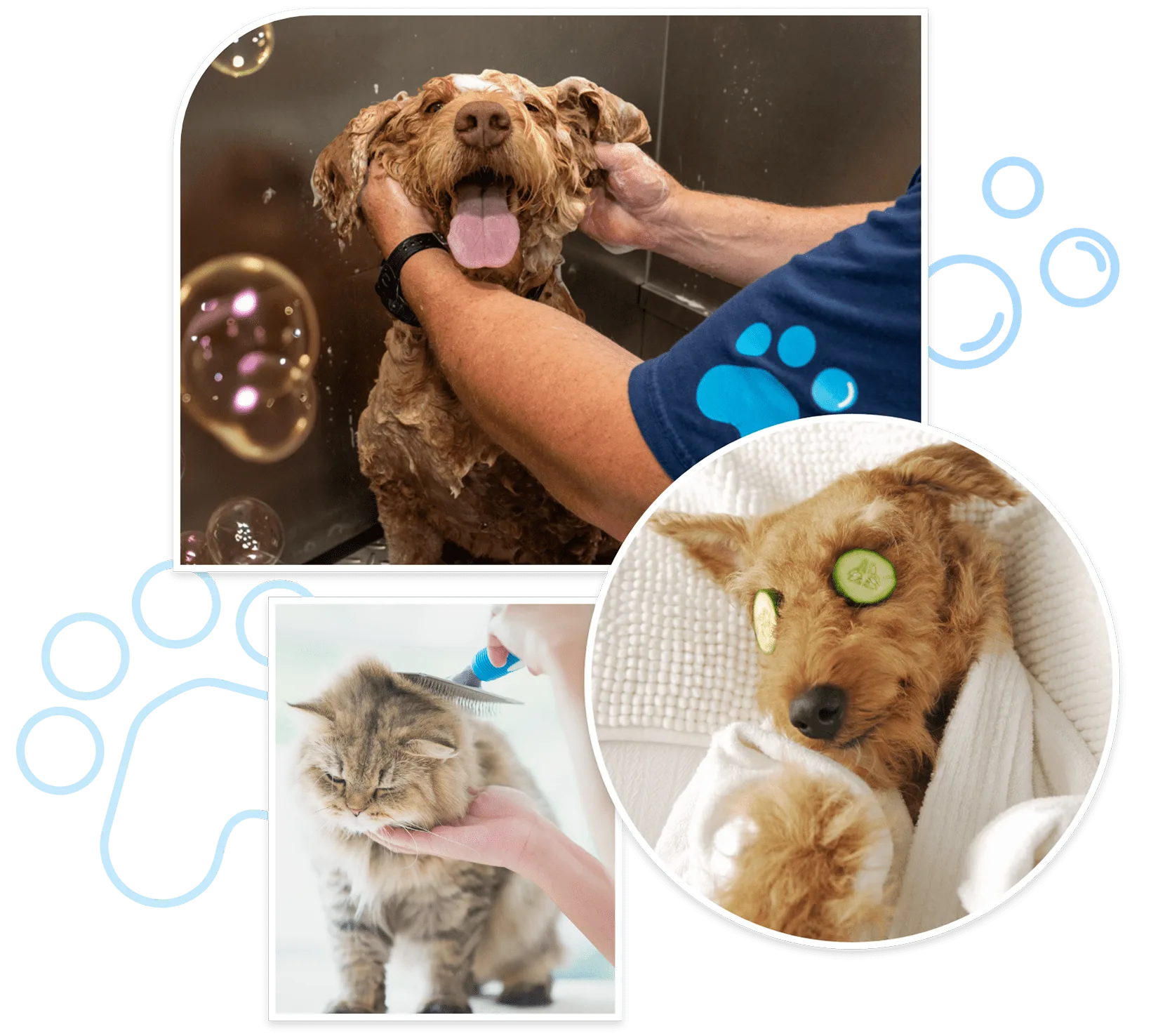
Most dog owners think their work is done once they pick their dog up from the groomer. The truth is that what happens at home between appointments matters just as much as the grooming itself. A healthy coat doesn't stay that way by accident. It takes regular brushing, the right products, and knowing what to watch for. If you're spending money on professional grooming, you want that investment to last and keep your dog comfortable. The weeks between appointments are your chance to maintain that work and catch problems early.
Brush Your Dog at Least Three Times a Week
This is the single most important thing you can do at home. Brushing removes loose fur, prevents mats from forming, and distributes natural oils through the coat. How often and what type of brush you use depends on your dog's coat. A short-haired dog needs a rubber curry brush or bristle brush a few times a week. Long-haired dogs need a slicker brush and metal comb at least three times weekly, more if they're prone to matting.
Most matting happens in areas where there's friction, like behind the ears, under the armpits, and around the tail. If you let these spots go, even a week between brushings can create knots that are hard to remove without cutting them out. Spend extra time there. If you feel a mat forming, work it out gently with your comb or brush. Never pull hard. It hurts and can damage the coat.
Use the Right Shampoo and Conditioner
The shampoo you grab at the grocery store might be stripping your dog's coat. Human shampoo and cheap dog shampoos often dry out the skin and make the coat brittle. A good dog shampoo is pH-balanced for canine skin, which is more neutral than human skin.
Conditioner matters too, especially for dogs with longer or curly coats. After shampooing, a conditioner helps lock in moisture and makes brushing easier. If your dog has dry, flaky skin, you might need a moisturizing conditioner or even a leave-in spray between baths. Ask your groomer what they recommend for your dog's specific coat type. They see your dog regularly and know what works.
Know How Often to Bathe
Most dogs do fine with a bath every four to eight weeks. Over-bathing dries out the skin and coat. Under-bathing means dirt and oils build up, which can lead to odor and skin irritation. The right frequency depends on your dog's activity level and coat type. A dog that swims a lot or plays in mud needs more frequent baths. A dog that stays mostly indoors can go longer between baths.
If your dog gets dirty between grooming appointments, a quick rinse with just water can help. You don't need shampoo every time. And always use lukewarm water, not hot. Hot water opens the hair cuticle and can leave the coat looking dull.
Watch for Skin Issues and Parasites
A healthy coat starts with healthy skin. Between grooming appointments, check your dog's skin regularly. Look for redness, flaking, bumps, or areas where your dog is scratching excessively. These can be signs of allergies, parasites, or yeast infections. Catching these early makes them easier to treat.
Fleas and ticks don't just affect the skin. They can cause hair loss, scabs, and infection if your dog scratches too much. Keep your dog on a year-round flea and tick prevention. Even indoor dogs can pick up parasites. Your vet can recommend the best option for your dog.
Dry skin is common, especially in winter or in dry climates. If you notice flaking or your dog is scratching more than usual, ask your vet or groomer for advice. Sometimes adding omega-3 supplements to their food helps. Other times a better conditioner does the job.
Trim Between-Appointment Hair Carefully
You don't need to do a full groom at home, but some light trimming can help. Trim hair around the eyes and paws if it's getting long. Use proper grooming scissors or clippers designed for dogs, never kitchen scissors. Kitchen scissors can pinch the skin and cause injury.
If your dog has hair between the paw pads, keeping it trimmed prevents dirt from building up and reduces the risk of infection. This is a quick job that takes five minutes and makes a real difference in comfort.
Don't try to do a full haircut yourself unless you've been trained. It's easy to accidentally cut skin or create uneven lines that take weeks to grow out. Your groomer handles the big jobs. You handle the maintenance.
Stay Consistent
The dogs with the healthiest coats are the ones whose owners stay on a schedule. Regular brushing, regular bathing on a reasonable schedule, and keeping up with preventive care all add up. Your groomer will notice the difference and can do better work when they're not fighting mats or dealing with skin problems.
If you keep up with these habits, your dog will be more comfortable, your grooming appointments will go smoother, and you'll spend less money on emergency vet visits for skin issues. That's the real payoff.
Zoomin Groomin knows that the time between appointments is when coat problems start or stop. If you have questions about what products to use or how often to brush your dog, give us a call. We're happy to talk through what works best for your dog's individual coat.