
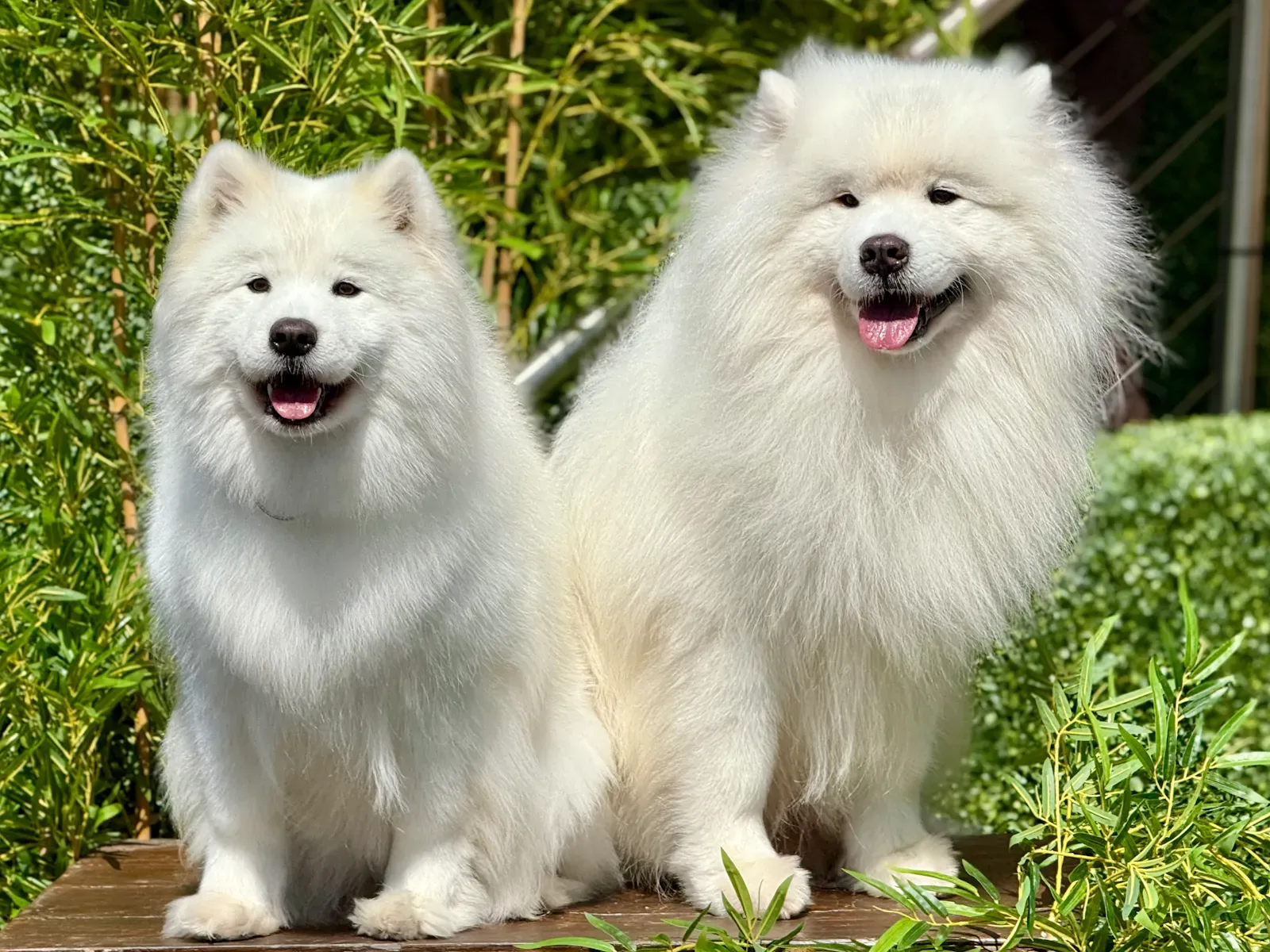
When the temperature climbs and humidity settles in, your dog's coat becomes either a blessing or a burden. A properly groomed dog stays cooler, sheds less hair around your house, and moves more comfortably through hot weather. Summer grooming isn't just about making your dog look good. It's about managing the coat so air can reach the skin, preventing matting that traps heat, and keeping your dog's paws and ears in shape when they're getting wet and dirty more often. At Zoomin Groomin, we see the difference a good summer routine makes within days of a dog coming in.
Shorter Cuts Work, But Know Your Breed
The urge to shave a dog down to the skin in summer is natural, but it's not always the right move. Double-coated breeds like Golden Retrievers, Labs, and German Shepherds actually use their undercoat as insulation against both heat and sunburn. Shaving them too short can backfire, making them hotter and leaving them vulnerable to UV damage. Single-coated dogs like Poodles, Doodles, and Schnauzers handle shorter trims much better. A summer cut for a double-coated dog usually means a good bath, thorough undercoat removal, and a tidy trim that still leaves some protection. For single-coated dogs, you have more freedom. A 1 to 2-inch cut keeps them cool while staying manageable between appointments.
Mats Are Heat Traps
A matted coat doesn't just look bad. It holds moisture against the skin, blocks air circulation, and creates a perfect environment for hot spots and skin infections. Summer is when mats form fastest because dogs are swimming, playing in grass, and getting sweaty. If your dog has longer hair or a curly coat, weekly brushing at home is not optional in warm months. Brush down to the skin, not just the surface. If you're finding mats when you run your fingers through the coat, they're already there. Zoomin Groomin can work them out, but prevention beats dealing with severe matting every time. A dog with a mat-free coat dries faster after swimming and stays cooler overall.
Ear Care Matters More in Summer
Wet ears are trouble. Dogs with floppy ears or hairy ear canals are especially prone to infections when water gets trapped inside. After swimming or baths, dry the ear canals thoroughly. If your dog spends time in lakes or pools, ask your groomer to pluck or thin the hair inside the ears to improve airflow. It's a small service that prevents a lot of discomfort. You'll notice if infection is starting: head shaking, scratching at the ears, or a sour smell. Don't wait on those signs. Caught early, ear issues clear up quickly. Left alone, they become painful and expensive.
Paw Pads Need Attention
Summer means more time on hot pavement, beach sand, and rough terrain. Check your dog's paws regularly for cuts, cracked pads, or lodged debris. Trim the hair between the pads so they don't collect dirt and moisture. Long hair there also makes it harder to spot injuries. If your dog is limping or licking their paws constantly, something's usually stuck or irritated. A quick grooming touch-up on just the paws can solve it. Hot pavement burns paw pads fast, so early morning or evening walks are smarter than midday. If you're walking in the heat, your dog is too.
Bathing Frequency and Product Choice
More activity means more baths, but too many baths strip natural oils from the coat. A good rule is every two to three weeks unless your dog is visibly dirty or muddy. Use a gentle, moisturizing shampoo in summer rather than harsh degreasing formulas. If your dog has sensitive skin or allergies, summer heat often makes them worse. Oatmeal-based or hypoallergenic shampoos help. Lukewarm water is better than cold water, which can shock the system. Rinse thoroughly because shampoo residue left in the coat leads to itching and irritation.
Schedule Grooming Appointments Strategically
Don't wait until your dog is severely matted or overheated to call for a grooming. Summer grooming works best on a regular schedule, every four to six weeks depending on your dog's coat type. A matted or neglected coat takes longer to groom, costs more, and stresses the dog. Regular appointments mean shorter sessions, better results, and a dog that's used to the process. If you've never taken your dog to a groomer, summer is actually a good time to start because the shorter coats are easier to manage and less intimidating for a first visit.
Keeping your dog comfortable in summer takes planning and consistency, but it's worth it. Zoomin Groomin is here to help you set up a summer routine that works for your dog's coat type and your schedule. Call us to book your dog's next appointment and ask about what a summer plan looks like for your breed.