
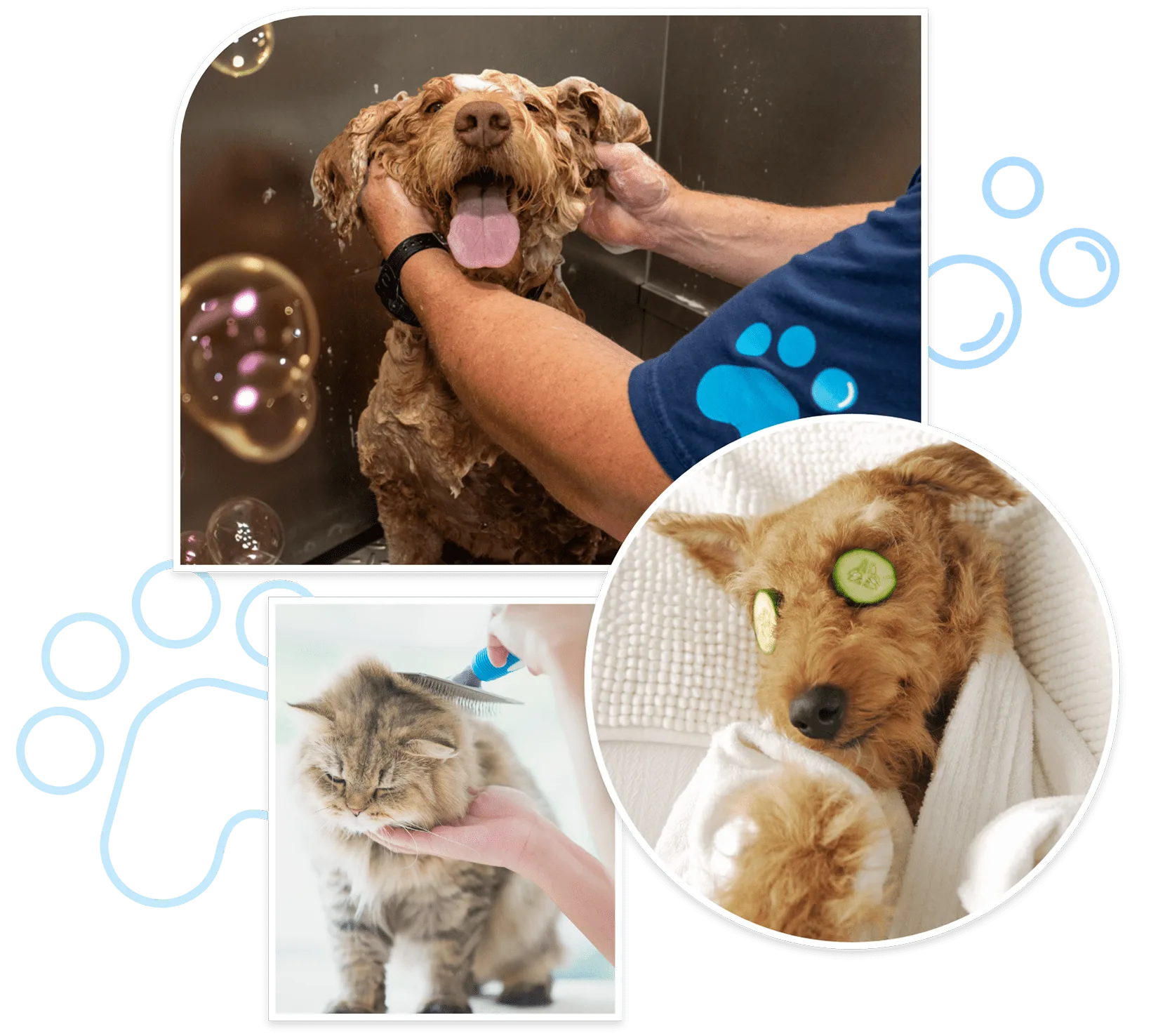
If you've ever stood in the grooming aisle at a pet store and felt completely lost by the wall of brushes, you're not alone. The difference between a slicker brush, a undercoat rake, and a deshedding tool isn't obvious unless you know what you're looking at. I've watched plenty of dog owners buy the wrong brush, struggle with it for a week, and then give up. The thing is, the right brush makes grooming actually enjoyable instead of a wrestling match with your dog. It takes maybe ten minutes instead of thirty, your dog sits still instead of squirming, and you actually remove the dead coat instead of just pushing it around. Picking the right tool for your dog's specific coat type is the first step to keeping your dog healthy and looking good between professional grooming visits.
Double-Coated Dogs Need Two Tools
If you have a Golden Retriever, German Shepherd, Husky, or Corgi, you're dealing with a double coat. That means two layers: a dense undercoat underneath and longer guard hairs on top. A lot of owners only brush the top layer and think they're done. That's where problems start. The undercoat is where mats form and where dead hair gets trapped against the skin.
For double-coated dogs, you need an undercoat rake or a high-velocity dryer first. The rake has short, closely spaced teeth that cut through to that bottom layer. Use it in the direction the coat grows, working in sections. You'll be surprised how much fluff comes out. After that, use a slicker brush on the whole dog to catch any remaining tangles and smooth everything down. If your dog sheds heavily, an undercoat rake every few days during shedding season will cut your vacuum cleaner's workload in half.
Curly and Wavy Coats Need a Slicker or Dematting Comb
Poodles, Doodles, Bichons, and other curly-coated dogs mat easily because their coat texture naturally traps dead hair. A slicker brush is your friend here. It has a flat, rectangular head covered in short, fine wires close together. Work through the coat in small sections, always going to the skin. Don't just brush the surface. If you find a mat, a metal dematting comb with teeth of varying lengths can help you work it out gently before it gets too tight.
The key with curly coats is consistency. Brushing twice a week prevents mats from forming in the first place. Once a mat is tight against the skin, it's painful to remove and sometimes has to be cut out. That's why we see matted Doodles come into Zoomin Groomin regularly. The owners aren't being lazy. They just didn't know that curly coats demand a different routine than the straight-coated dog they had before.
Smooth, Short Coats Are Lower Maintenance
Dogs like Boxers, Beagles, and Pit Bulls have short, smooth coats that don't mat. For these dogs, a rubber curry brush or a short-bristled brush works well. These tools remove loose hair and stimulate the skin without being harsh. You're not trying to detangle anything. You're just removing the dead coat and keeping the skin healthy. Brushing once a week is plenty for most smooth-coated dogs.
Don't skip this step just because the coat is short. Regular brushing reduces shedding, keeps the skin clean, and lets you spot any lumps, bumps, or skin issues early.
Wiry Coats Need a Slicker and a Comb
Terriers, Schnauzers, and Wire-haired Dachshunds have wiry, textured coats. These dogs often need a slicker brush to remove tangles and a wide-tooth comb to finish. The wiry texture can hide mats, so you need to brush thoroughly. If your terrier is hand-stripped for shows or just to maintain the proper texture, that's a different process that takes training. But for pet-level maintenance, a slicker and a comb will keep the coat healthy.
Brush Technique Matters as Much as the Tool
Even the right brush won't work if you're using it wrong. Always brush in the direction the coat grows. Never brush against the grain, which can irritate the skin and break the hair. Work in small sections and be gentle. If your dog is sensitive, let them get used to the brush slowly. Make it a positive experience with treats and praise.
If you hit a mat, don't yank. Work it gently with the brush or a dematting comb. Pulling hard hurts and can cause hair loss and skin irritation. If a mat is too tight, it's time to call a groomer instead of fighting it at home.
When to Call a Professional
Home brushing keeps your dog's coat healthy between grooming appointments, but it's not a replacement for professional grooming. A groomer has high-velocity dryers, specialized tools, and experience with problem coats. If your dog gets matted despite your best efforts, or if you're not sure what tools to use, we're here to help. Zoomin Groomin can recommend the right brush for your dog's coat and show you how to use it properly. Give us a call and we'll set you up with a plan that works for your dog and your schedule.